MODULE 4
Creating a Positive, Information-Intensive Environment
Building positive relationships with Students
Creating an engaging classroom environment starts with positive relationship-building and meaningful student interaction. One of the simplest yet most important ways is to welcome students warmly as they enter the classroom in the morning—calling them by their names and with a smile. This small act helps students feel seen and valued from the start of the day.
Consistent interaction is also important. Taking time to check in with students, ask about their interests, and respond with genuine curiosity builds trust and connection. When teachers make an effort to understand students’ learning histories, cultural backgrounds, and personal preferences, they can better modify instruction to meet individual needs. Validating these experiences not only affirms students’ identities but also strengthens their sense of belonging.
Activities such as community circles, peer collaboration, and problem-based learning encourage open dialogue and shared learning experiences.
Engaging students in creative activities, connecting lessons to students’ real lives, and valuing their opinions helps make class time more enjoyable. Celebrating student success—through verbal recognition, classroom displays, incentives, or positive communication with families—reinforces motivation and confidence.
Dedicating time for one-on-one communication with each student shows students that their growth and well-being matter. These moments can have a lasting impact on their academic and emotional development.
Supporting struggling students
Helping students clearly understand tasks by encouraging them to reread directions or ask questions if they need clarifications. This helps make sure that they know exactly what is expected before they begin.
Encouraging students to seek help early, rather than waiting until they feel overwhelmed. Teaching them to reflect on their process—by checking their steps and identifying where things may have gone wrong—can help them recognize mistakes and learn from them. Asking students to “think out loud” while solving a problem is another effective strategy, as verbalizing their thinking often reveals gaps or misunderstandings.
Breaking complex tasks into smaller, manageable steps can make challenges feel less intimidating. Similarly, having students write down what they already know helps them identify what they still need to learn, guiding them toward more focused support. When students face difficulties, it helps to encourage them to try different approaches.
As students develop these skills, they begin to build internal motivation. Gaining confidence in their ability to navigate difficulties empowers them to approach future tasks with a stronger sense of capability and persistence.
Classroom seating arrangements
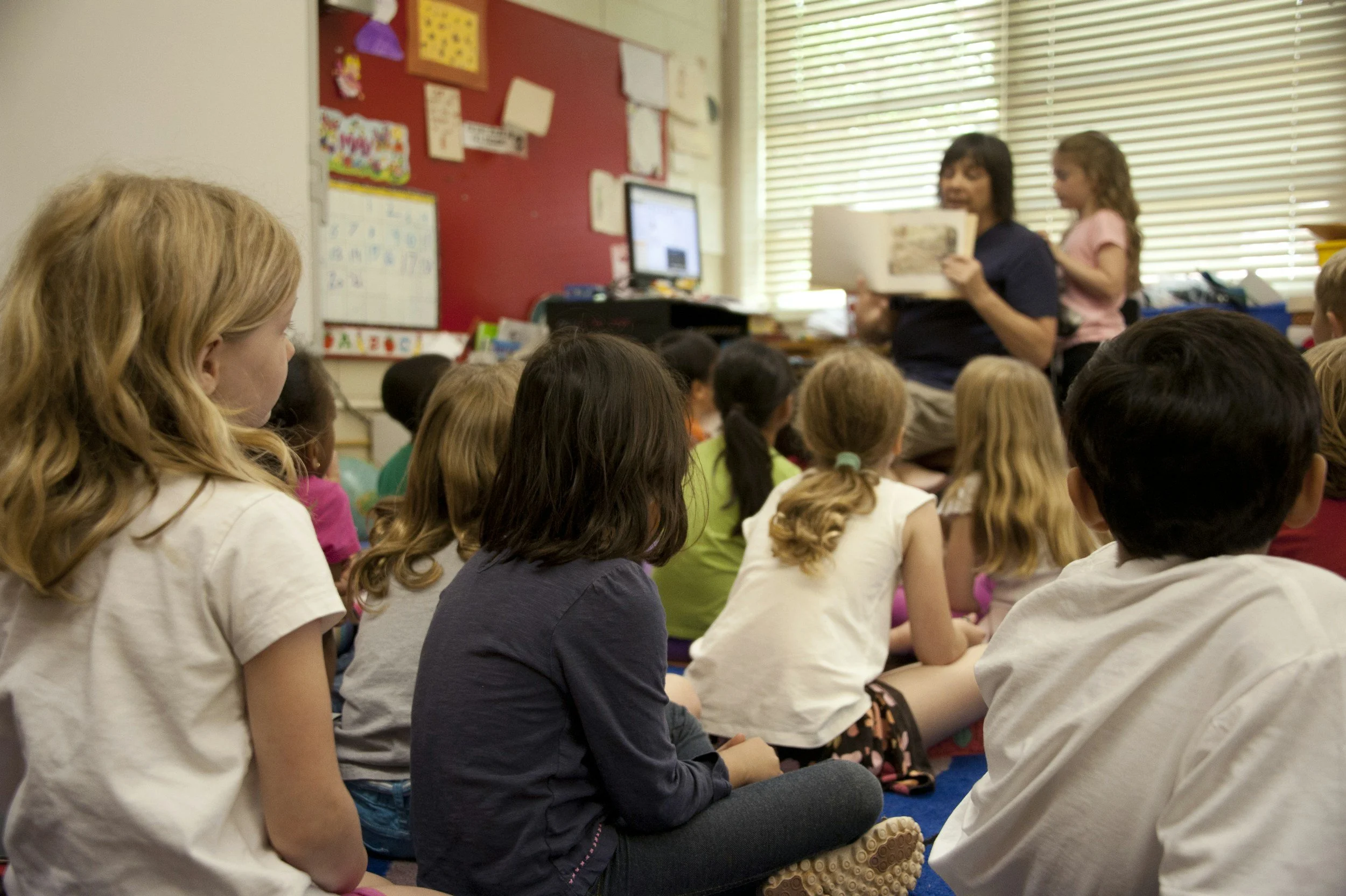
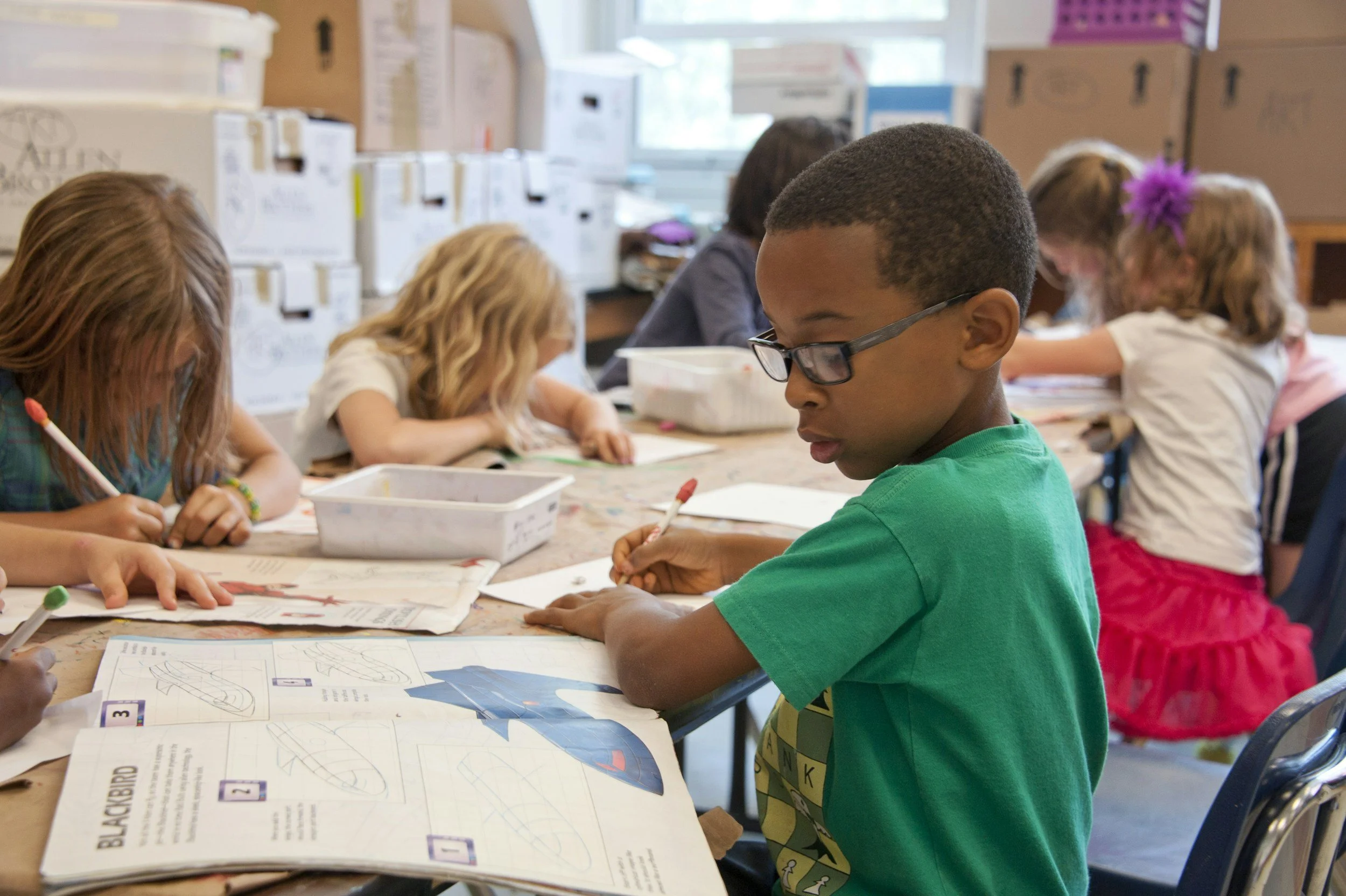
Classroom seating is very important because it affects how students learn, participate, and interact with each other. Different seating styles work better for different subjects and grade levels.
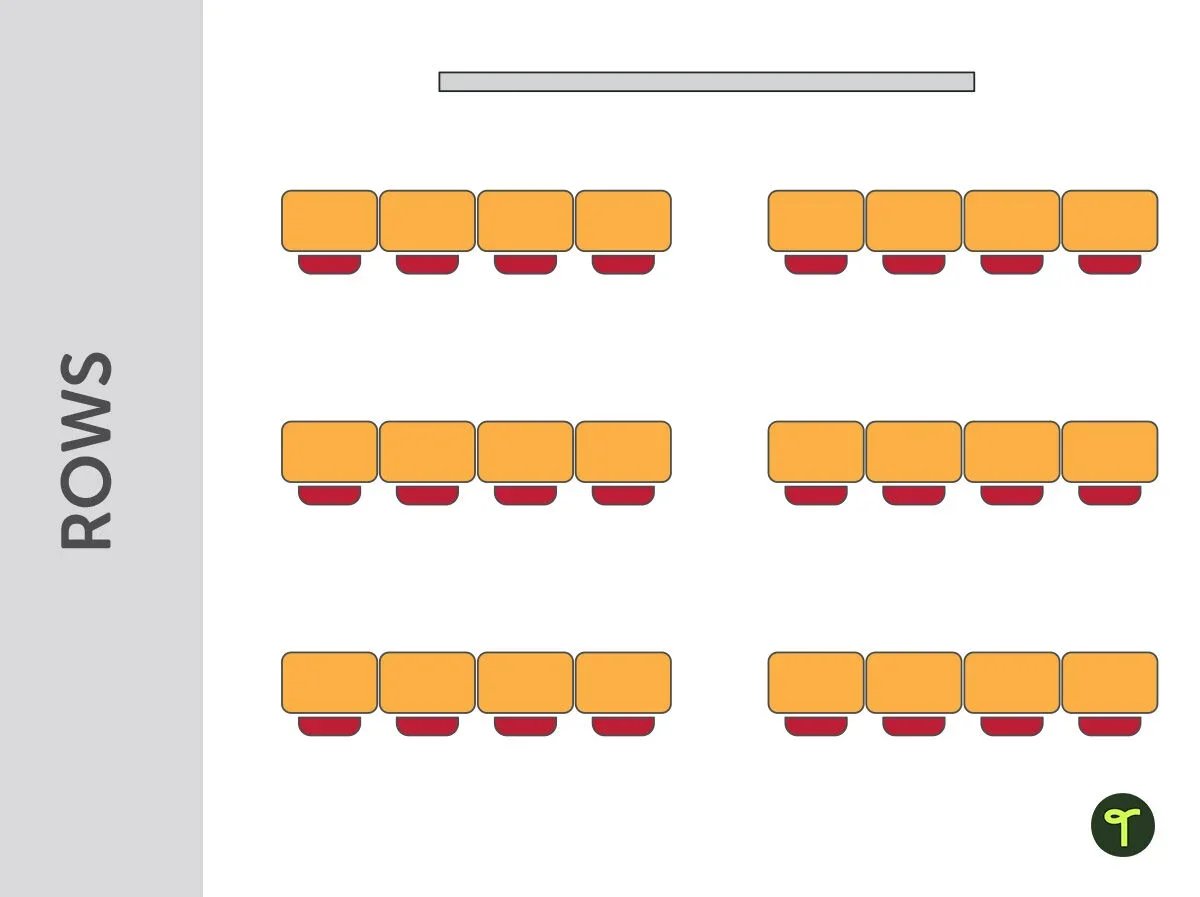
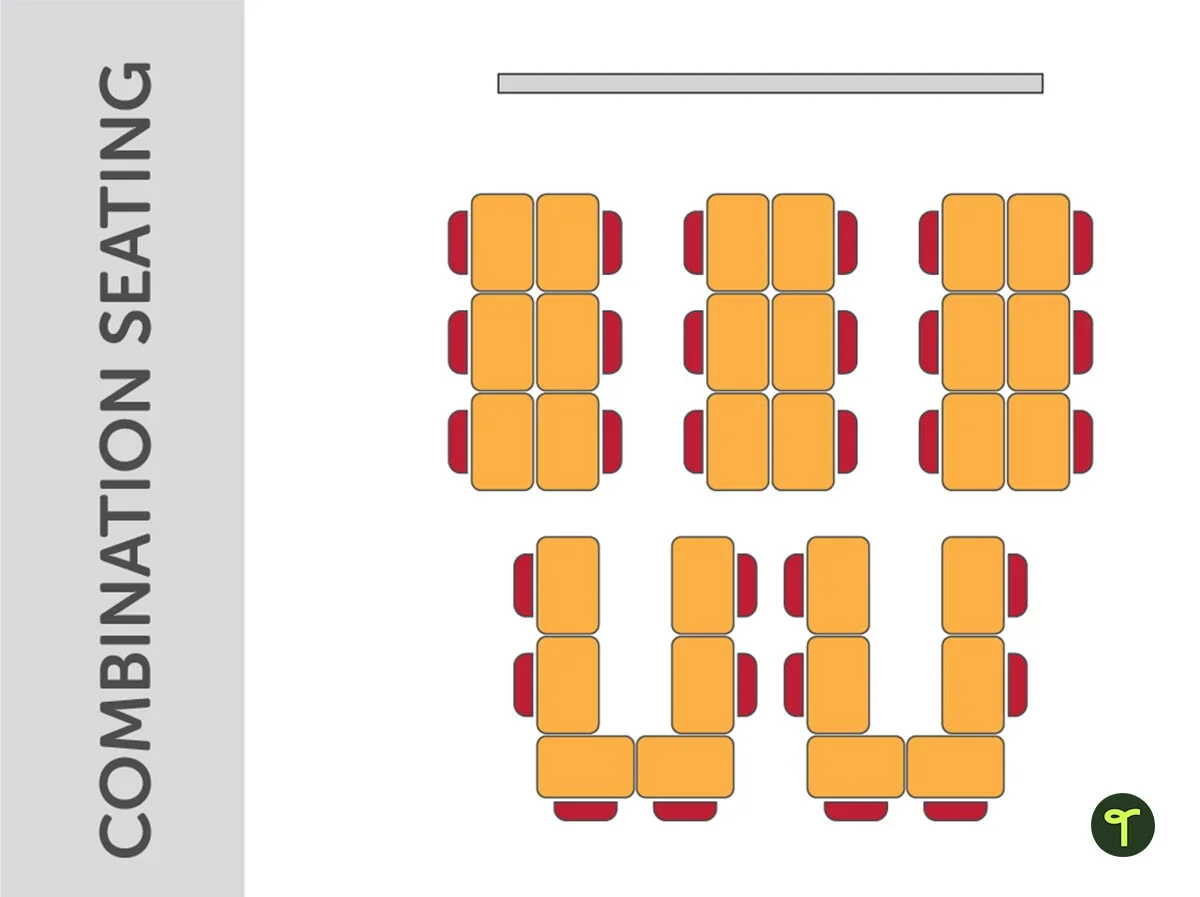
I chose three common seating arrangements: rows, clusters (groups), and U-shape.
1. Traditional Rows
Pros:
Helps students focus on the teacher and reduces distractions
Good for tests, lectures, and individual work
Easier for classroom management
Cons:
Limits student interaction and collaboration
Sometimes students in the back become less engaged due to the distance
Not ideal for discussions or group work
2. Clusters / Groups
Pros:
Encourages teamwork and communication
Great for group projects and discussions
Builds a good sense of classroom community
Cons:
Can become noisy and distracting
Some students may go off-task
Harder for the teacher to keep control
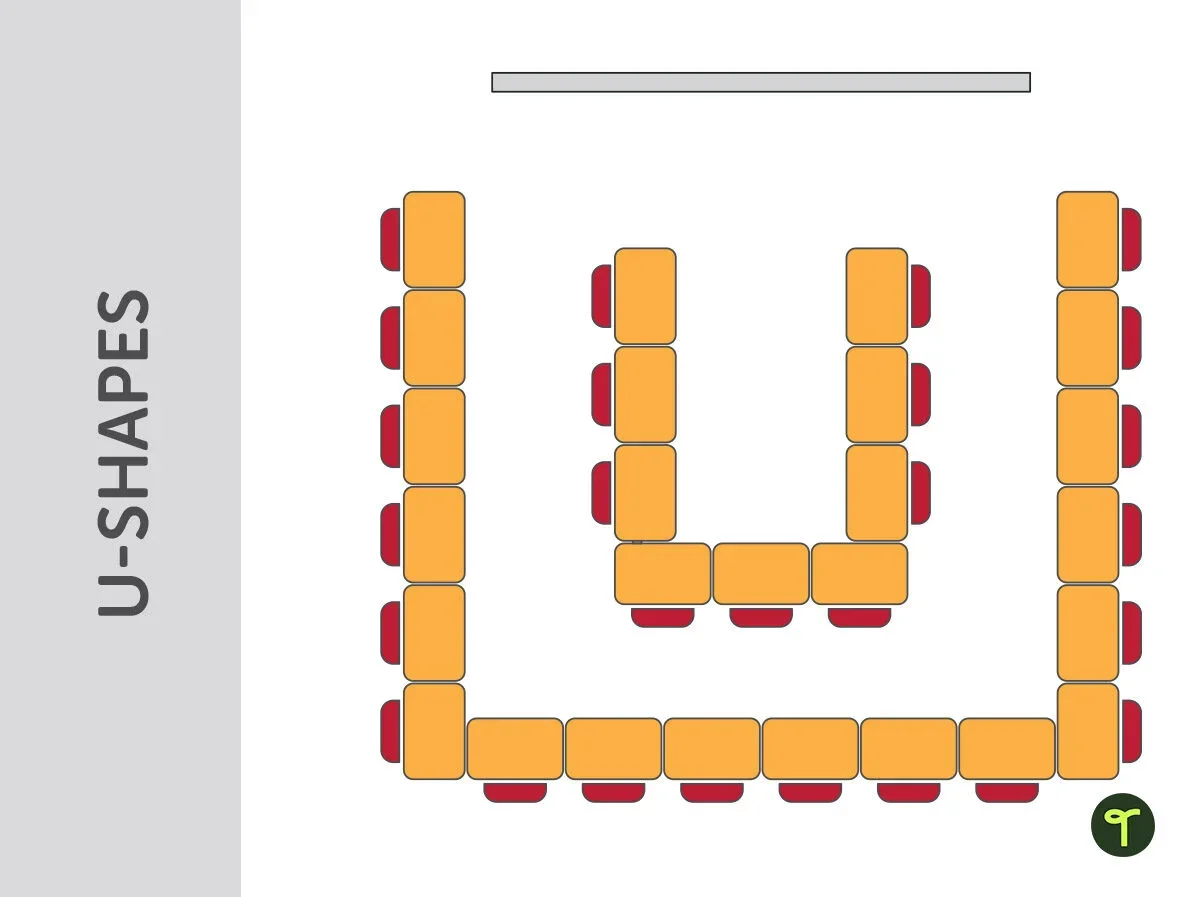
3. U-Shape / Semi-Circle
Pros:
Students can see the teacher and each other easily
Encourages class discussions and participation
Teacher can move around and interact with everyone
Cons:
Takes up more space.
Not ideal for writing or test situations.
Some students may still participate less.
Which is Best for Middle School (Art or English)?
For middle school English, I think clusters (groups) are the best. These subjects often involve discussion and collaboration. Group seating helps students share ideas, work together, and stay engaged.
However, for art I believe the best approach is the U shape seating so the teacher can sit in the middle and demonstrate art techniques and the whole class would be able to see clearly.
Sources:
https://www.differentiatedteaching.com/classroom-seating-arrangements/#:~:text=Students%20in%20the%20front%20rows,may%20or%20may%20not%20touch.
https://www.bookwidgets.com/blog/2019/12/19-classroom-seating-arrangements-fit-for-your-teaching
https://poorvucenter.yale.edu/teaching/teaching-resource-library/classroom-seating-arrangements
https://www.teachstarter.com/us/blog/inspiration-for-classroom-seating-arrangements-us/