Voices & Vision: My ELA Journey
From pixels and platforms to paint and poetry, I followed creativity until it led me to the classroom.
I began by designing visuals for brands; I continue by designing spaces where young voices grow.

As a middle school ELA teacher in training, my journey into education is deeply connected to my identity as an artist, multilingual learner, and lifelong creative. With over two decades of experience in graphic design and a background in illustrative design, I have always believed in the power of storytelling—both visual and written. My transition into teaching ELA feels like a natural extension of that belief.
Growing up between languages and cultures shaped how I understand literacy. English was not just a subject; it was a bridge. Because of this, I am especially sensitive to students who may struggle with language acquisition or confidence in expression. I see literacy not only as reading and writing, but as voice, identity, and empowerment.
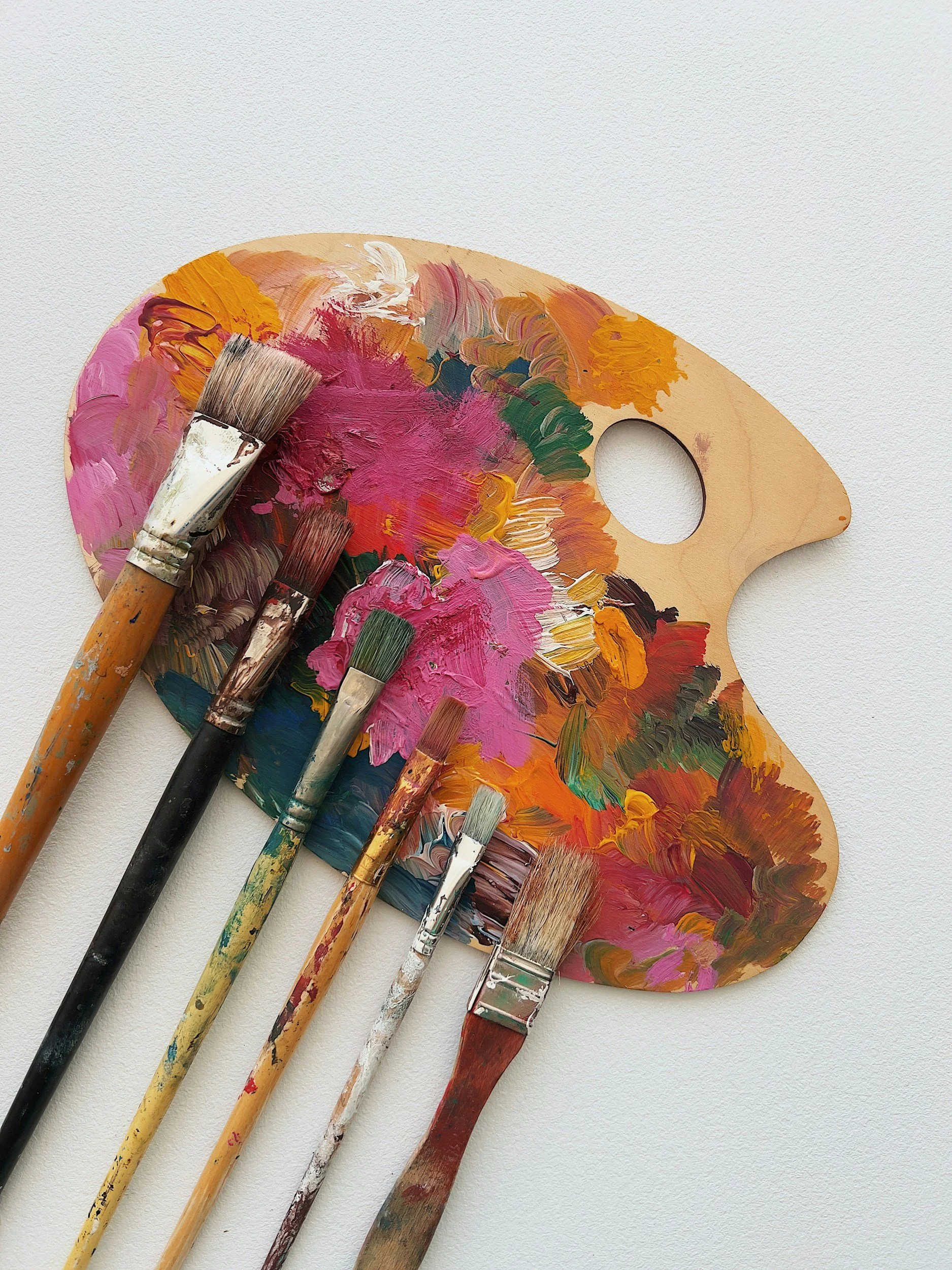
My background in art strongly influences my instructional strategies. I gravitate toward multimodal learning, incorporating visuals, storytelling, creative projects, and digital tools into lessons. I enjoy designing visually engaging materials that make learning interactive and accessible. I believe middle school students thrive when they can create, not just consume content.
In assessments, I value differentiated instruction. Instead of relying solely on traditional tests, I incorporate project-based learning, reflective journals, presentations, and creative writing portfolios. This approach reflects my belief that intelligence and literacy show up in different forms. Some students shine in discussion; others in writing; others in visual storytelling.
My experiences as a mother, a career professional returning to school, and a multicultural learner have strengthened my empathy and patience. I understand resilience, growth, and the courage it takes to find one’s voice. As an ELA teacher, I want my classroom to be a safe space where students feel seen, heard, and capable.
Ultimately, my identity as an ELA teacher is rooted in creativity, inclusivity, and empowerment. I do not just teach reading and writing—I teach students how to express who they are and how to understand the world around them.