MODULE 2: The Culture of Schooling
Unit 1: Tomorrow’s Teachers
1- Inspirations for Teaching Literacy
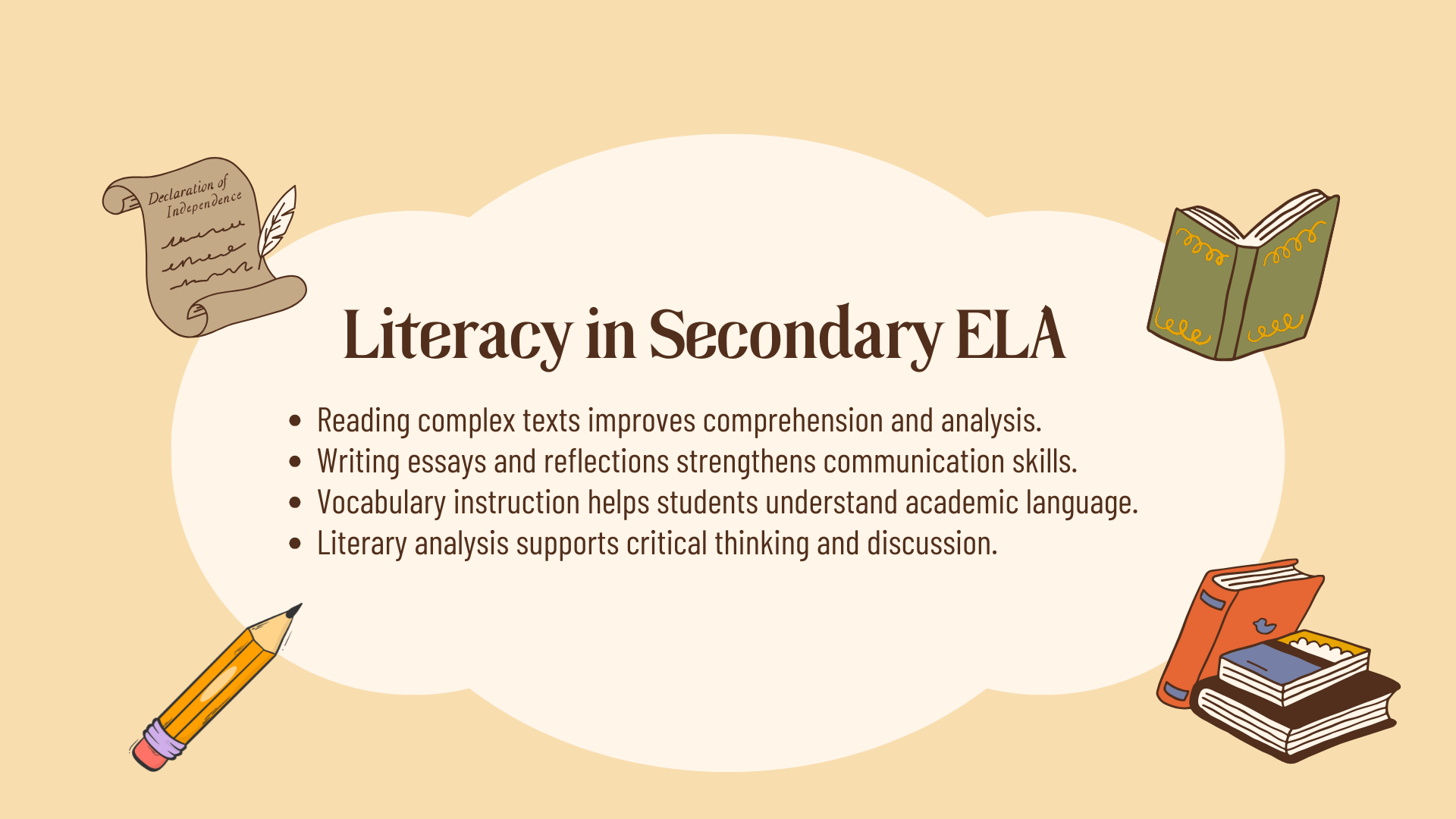
As a future middle school ELA teacher, literacy isn't just embedded; it's the foundation of my subject. I'll embed literacy practices through reading, writing, discussion, and analysis. My instruction will be centered around helping students become thoughtful readers, expressive writers, and critical thinkers.
Reading & Text Analysis
I'll guide students through structured reading of multiple types of texts like fiction, nonfiction, and informational articles. Students will identify themes, analyze the author’s techniques, and support their opinions with evidence from the texts.Writing Across Genres
Students will engage in argumentative, narrative, and informational writing. They will read each other's work, discuss it, and evaluate it.Academic Discussions
I'll create group discussions where students practice citing evidence, building on peers’ ideas, and articulating their thoughts. This will strengthen both oral literacy and analytical reasoning.Vocabulary & Language Development
I'll teach academic vocabulary in context. Students will interact with new words through discussion, writing, and application rather than memorization alone.Integrating Media & Digital Literacy
Students will be encouraged to do online research on discussed topics, analyze and evaluate sources for credibility. This prepares them to navigate information critically in today’s digital world, as the internet is a major part of learning today.
Unit 2: Student Diversity and Literacy
Understanding Language Development
1. What is language development?
Language development is how children learn to speak words, understand spoken words, read, and write these words over time.
2. How does language development impact reading comprehension?
If a child understands spoken words and knows the meanings of many of them, they understand what they read better.
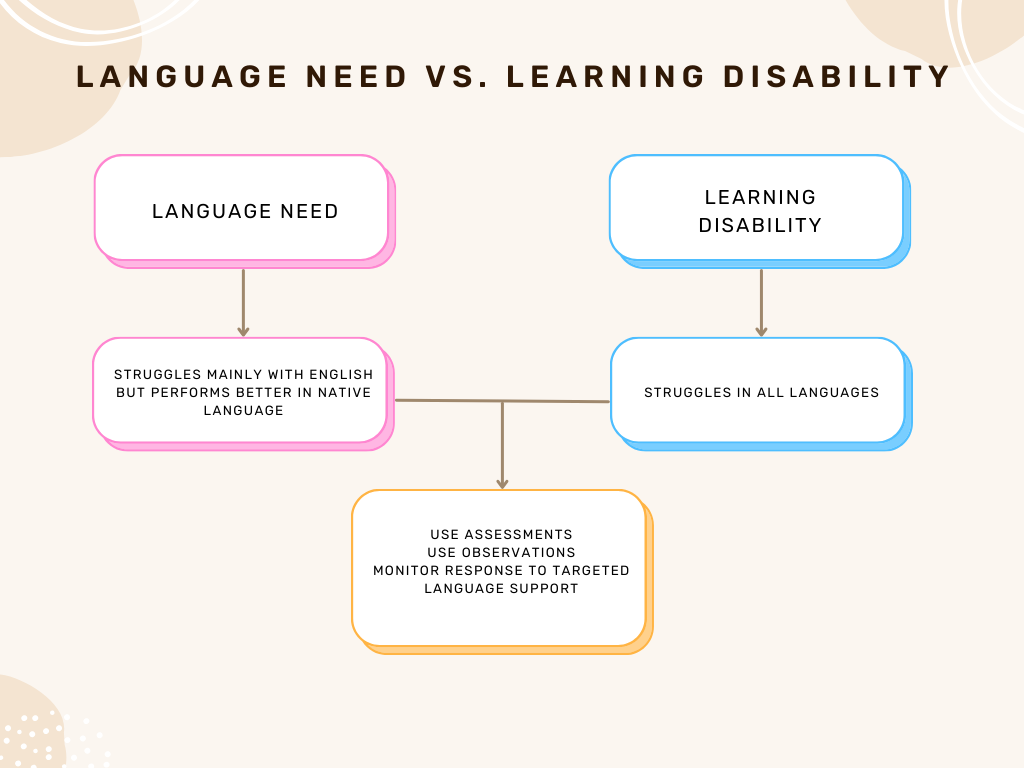
3. How do differences in languages impact literacy development?
Some languages have different sounds, grammar, or writing systems. This can make learning to read easier or harder depending on the language.
4. How do you assess your student’s literacy levels?
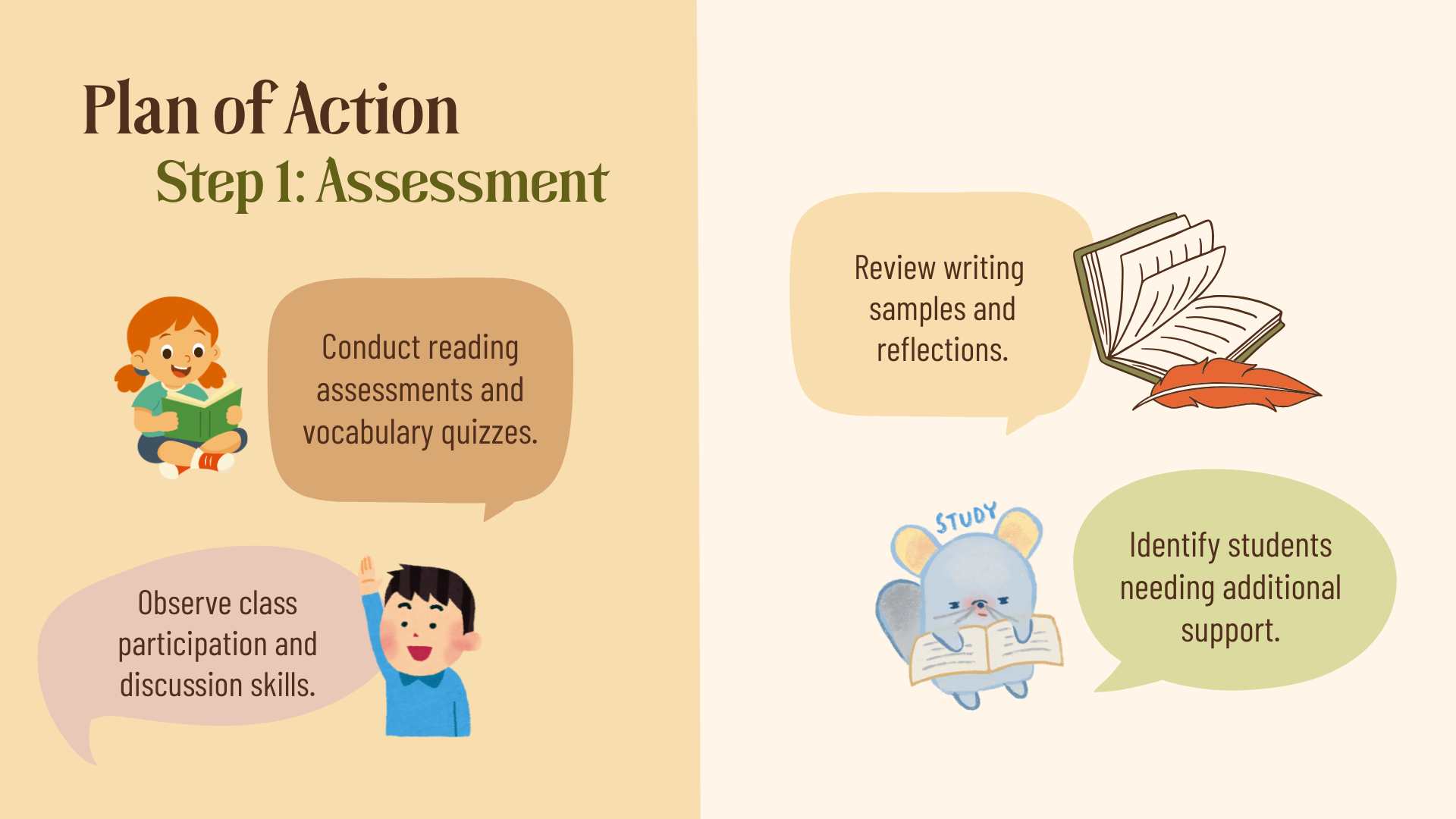
By listening to them read, asking questions about the text, and checking their writing.
5. How can you differentiate instruction to meet diverse literacy needs?
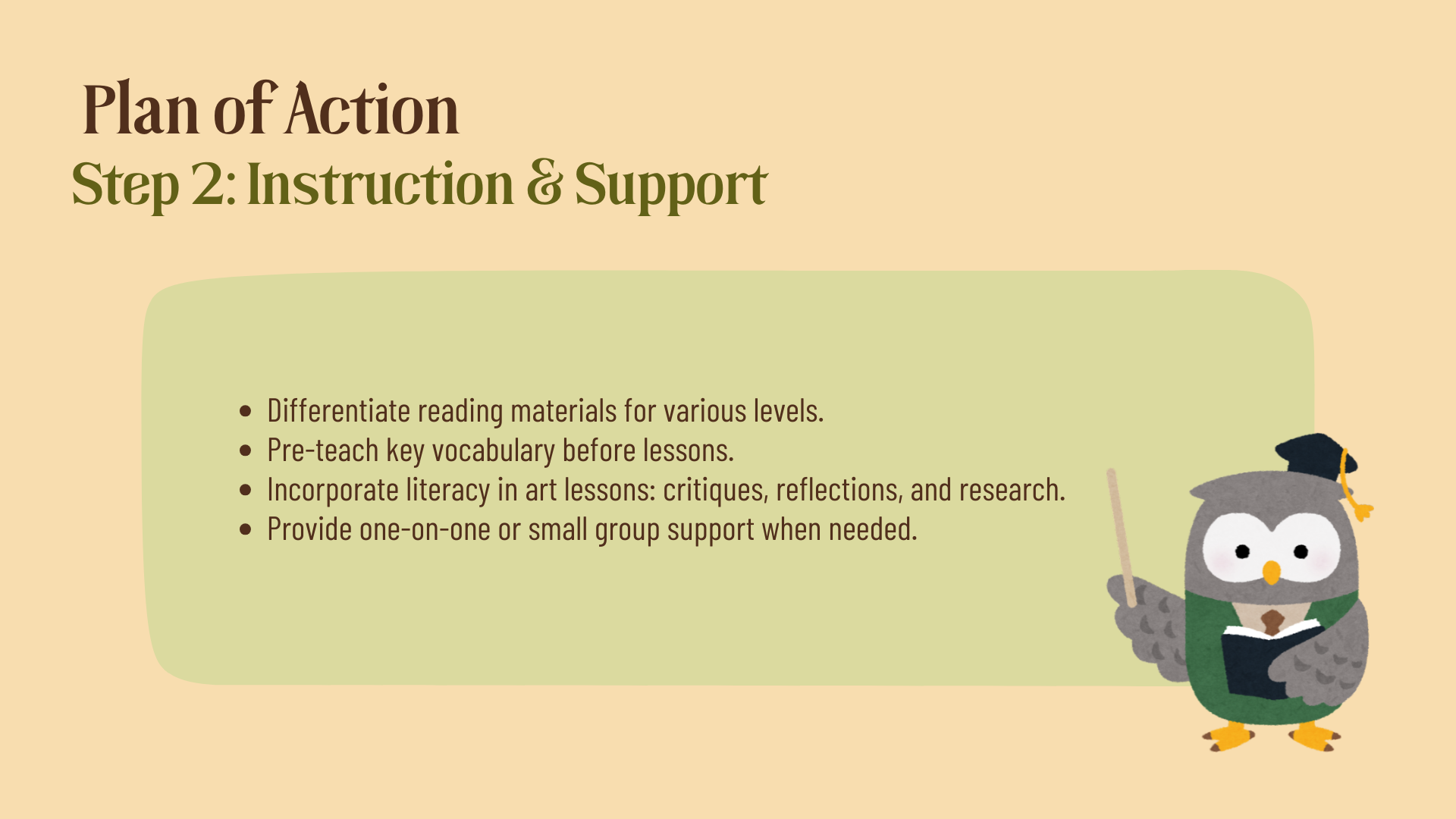
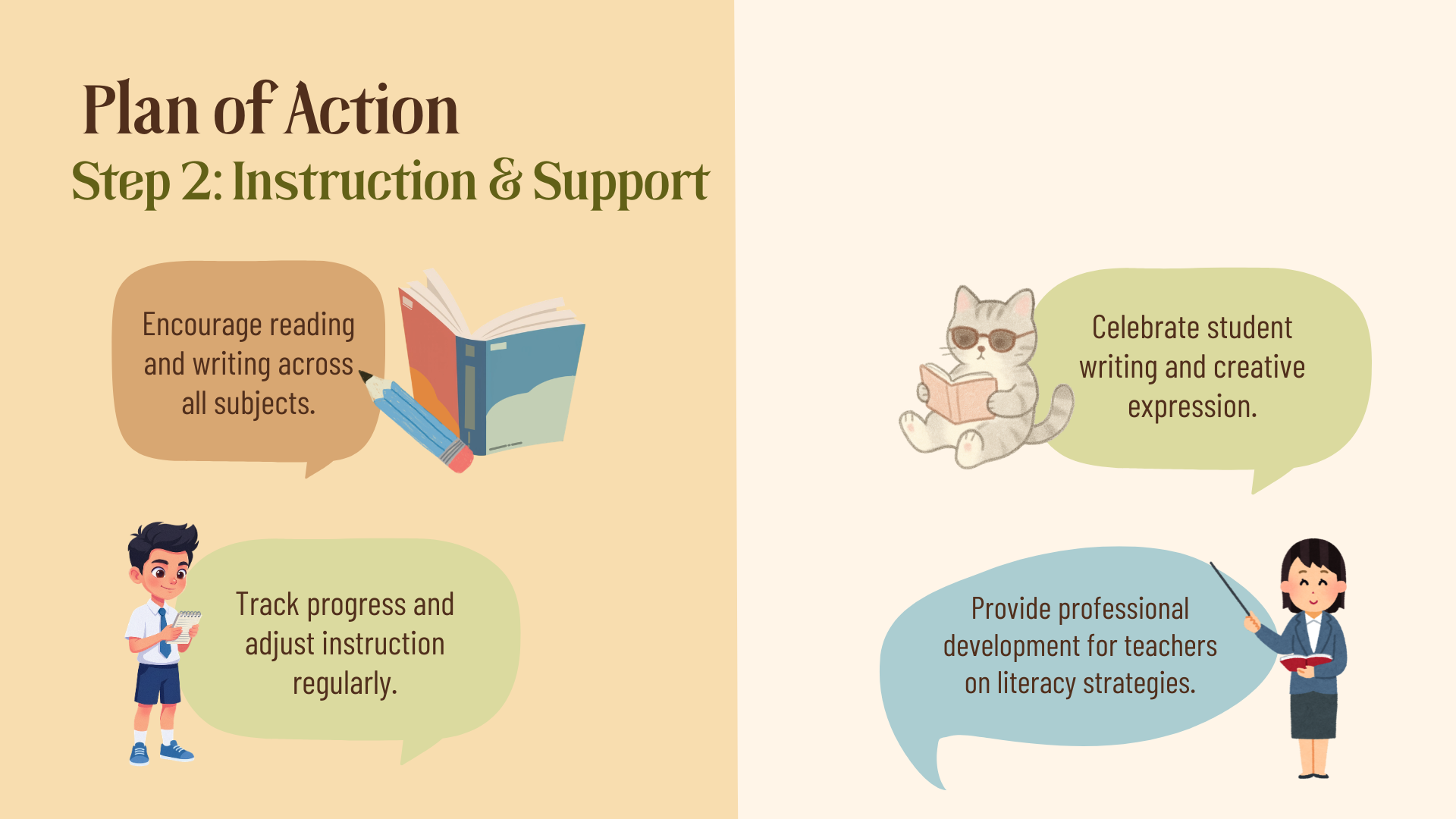
By using different reading levels, giving extra support to some students, and offering more challenging work to others.
Unit 3: Diverse Student Populations